Use Vertical Space for Storage
When floor space is limited, look upward.
Wall-mounted hooks, shelves, storage baskets, or suitable racks can help keep smaller fitness items away from the floor.
Resistance bands, jump ropes, towels, and other lightweight accessories are usually easier to organise when each item has a specific place.
A simple storage bag can work just as well if you do not want to attach anything to the wall.
The important part is making cleanup easy.
If packing away your equipment takes fifteen minutes, you may eventually stop doing it.
If everything can be stored in one or two minutes, keeping the room organised becomes much easier.
Keep the Setup Easy to Access
There is a difference between storing equipment neatly and hiding it so well that you forget about it.
If possible, keep frequently used items somewhere convenient.
For example, a workout mat might fit behind a door, while resistance bands can stay inside a small basket or drawer nearby.
The fewer steps required to start exercising, the easier it is to use the space regularly.
This is one reason compact setups can work so well.
You do not need to prepare an entire room. You simply take out the equipment you need and start.
Good workout space ideas should make exercise easier to begin, not more complicated.
Think About Noise and Your Neighbours
This is especially important if you live in an apartment or upstairs room.
Jumping exercises, dropping weights, or moving heavy equipment can create more noise than expected.
A suitable exercise mat may help protect the floor and reduce some impact, but it is still worth choosing activities that suit your building and surroundings.
If noise is a concern, resistance-band exercises, controlled strength movements, mobility routines, and many bodyweight exercises can provide quieter alternatives.
Being considerate about noise also makes it easier to maintain a routine without worrying about disturbing other people.
Add Equipment Gradually
You do not need to complete your setup in one shopping session.
Start small.
Use the equipment for a few weeks and notice what is missing.
You might discover that an extra resistance level would be useful, or that better storage would improve the space more than another exercise accessory.
This gradual approach gives you time to understand what actually fits your routine.
It also helps prevent the common problem of buying compact fitness equipment that looks useful online but ends up unused.
A simple rule works well:
Add new equipment when it solves a specific problem in your current routine.
Make the Space Comfortable
Your workout area does not need to look elaborate, but small details can make it more pleasant to use.
Good lighting can help the room feel more inviting.
Ventilation matters too, particularly during more active workouts.
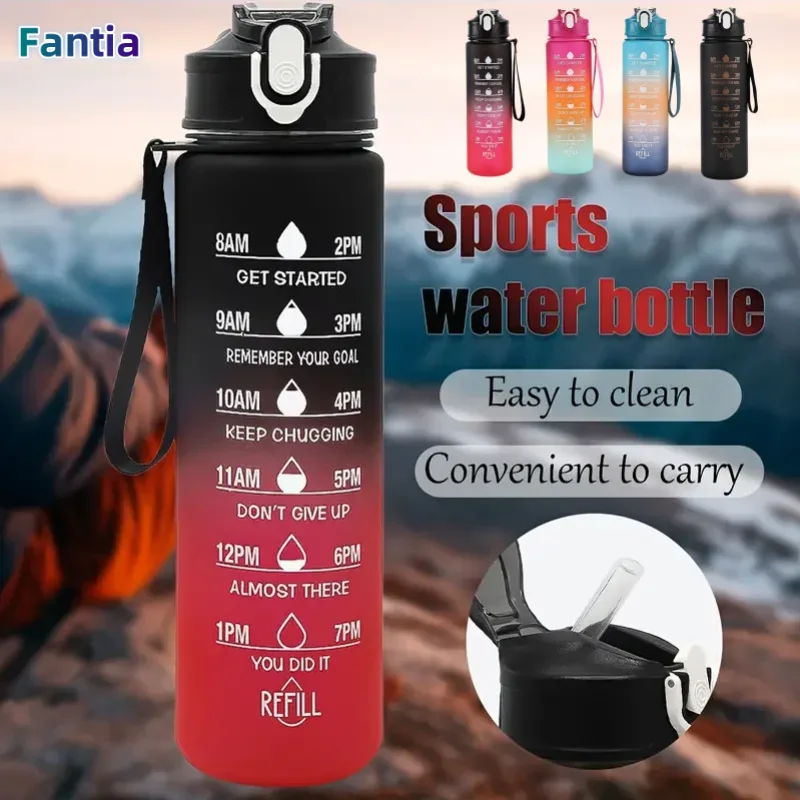
Keep a reusable water bottle nearby and make sure the floor is clear of objects that could become a trip hazard.
If you follow workout videos, a stable phone or tablet stand can also be useful.
These details do not require much space, but they can make the whole setup feel more practical.
A Simple Small-Space Setup Example
A useful setup could be surprisingly minimal.
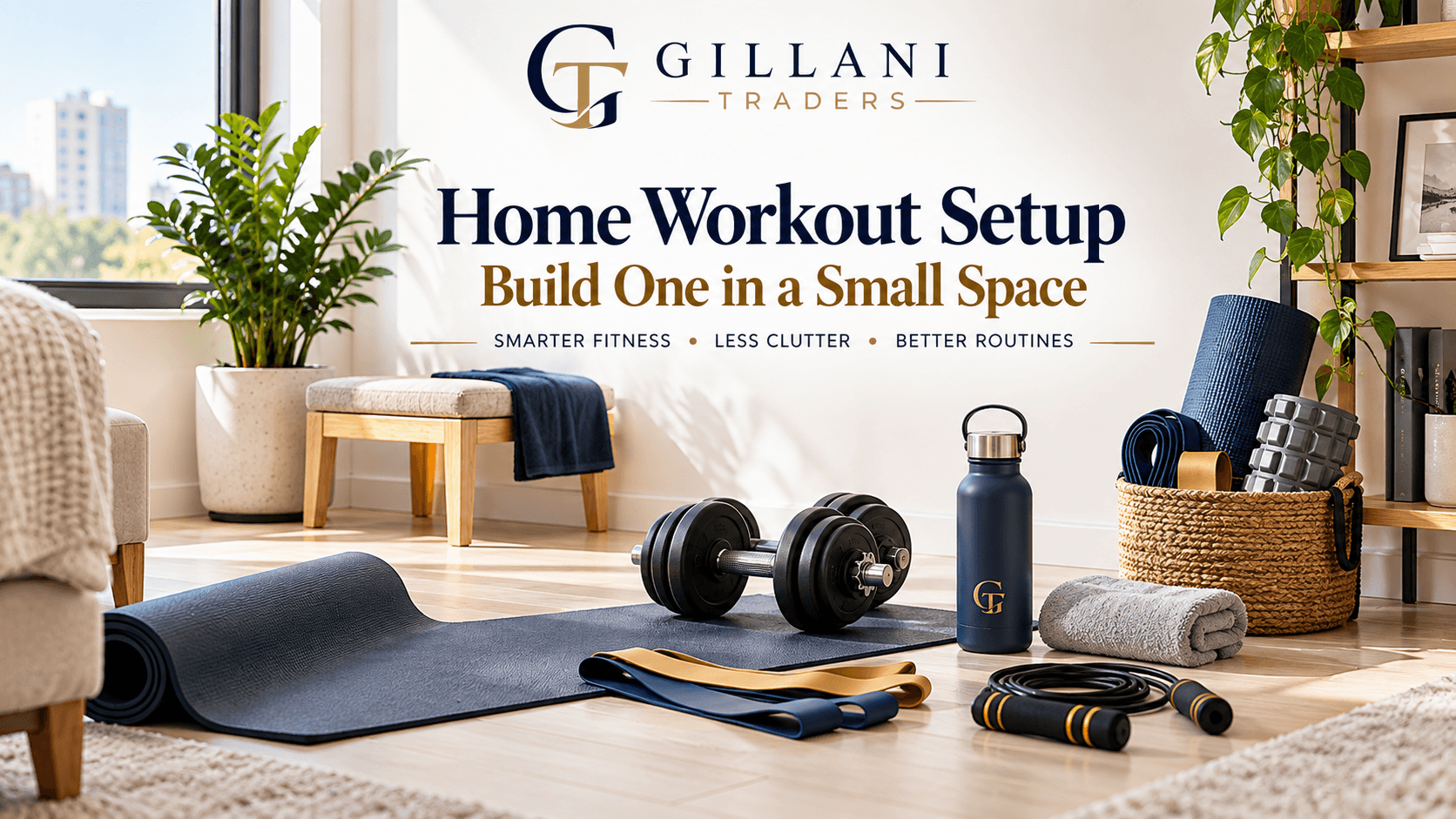
Imagine one exercise mat, a set of resistance bands, a pair of compact weights, a water bottle, and a small bag containing your accessories.
When you want to exercise, the mat comes out and the bag sits beside it.
When you finish, everything goes back into the same place.
No dedicated gym room is required.
That simplicity is often what makes a home workout setup sustainable.
Instead of designing the space around equipment, you design the equipment around your lifestyle.
Do Not Let Equipment Become the Goal
Buying fitness equipment can feel productive.
Using it consistently is what matters.
Your setup should support movement, not become a project that never feels complete.
According to current CDC guidance for adults, the general target is at least 150 minutes of moderate-intensity physical activity each week, along with muscle-strengthening activity on at least two days. The activity can be divided across the week rather than completed all at once.
CDC physical activity guidelines for adults
The equipment you choose is simply there to make regular activity easier and more convenient.
Build a Setup That Fits Your Life
A small home does not have to prevent you from creating a useful exercise area.
Start with the space you already have, choose versatile equipment, keep the floor clear, and create a storage system that takes very little effort to maintain.
Most importantly, do not compare your setup with elaborate home gyms you see online.
If your workout area is easy to use and supports the activities you enjoy, it is doing its job.
At Gillani Traders, you can explore practical Fitness & Sports products for home workouts, everyday exercise, and active routines.
Explore Fitness & Sports at Gillani Traders →
Link this CTA to your Fitness & Sports category page and add 2–4 relevant product links naturally within the article.
Frequently Asked Questions
How much space do I need for a home workout setup?
It depends on the exercises you plan to perform. For many bodyweight, stretching, and resistance-band routines, enough room to comfortably place an exercise mat and move your arms and legs can be sufficient.
What equipment is best for a small home gym?
Compact and versatile equipment usually works well, such as resistance bands, exercise mats, adjustable weights, sliders, and small fitness accessories.
Can I create a home gym in a bedroom?
Yes. A bedroom can work if you have a safe area with enough room to move and a practical way to store equipment when it is not being used.
How can I store workout equipment in a small space?
Consider storage bags, baskets, shelves, wall hooks, under-bed storage, or a dedicated cupboard area depending on the size and type of equipment.
Should I buy all my home workout equipment at once?
Usually not. Starting with a few essential products allows you to learn what you actually use before spending money or storage space on additional equipment.
Is a home workout setup expensive?
It does not have to be. Bodyweight exercises require very little equipment, and you can gradually add accessories based on your routine and budget.